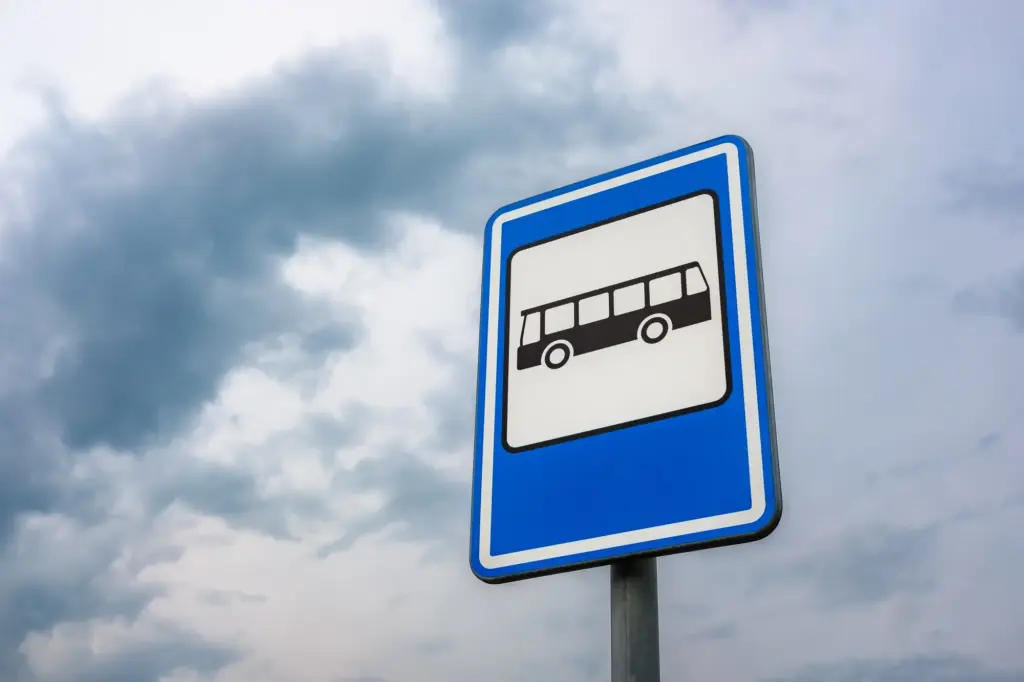
Ride to the Last Stop and Step Into Surprise

Join us as we venture past the usual skyline and follow the rails to their quiet conclusions. Today we’re exploring End-of-Line Neighborhoods Worth Exploring, celebrating outskirts where routines end and curiosities begin, revealing small bakeries, patchwork parks, and conversations that feel unhurried, generous, and unexpectedly memorable for wandering, photographing, tasting, and listening.

Why the Last Stop Feels Different

Edges invite a different attention. Far from postcard centers, stations at the end of the line slow the city’s pulse and foreground everyday rituals: school runs, shift changes, steaming takeaway windows, and neighbors greeting drivers by name. Spending time here stretches patience, rewards curiosity, and reveals how a city breathes when it believes nobody is watching, generously offering textures that tourists often miss.

Edges Shape Character

City limits are less polished, more revealing, because infrastructure meets fields, depots meet gardens, and zoning forgets neat borders. That friction births honest aesthetics: painted shutters fading into factory brick, inventive sheds beside tower blocks, and porches holding stories that never needed branding to feel remarkable.

Transit Rhythms

At terminal stations, pauses stretch between arrivals, and routines become visible: operators stretching legs, vendors refilling thermoses, kids timing dares to closing doors. Linger respectfully and you’ll learn the city’s cadence, softer yet precise, a backstage metronome guiding commutes, deliveries, and unhurried goodbyes.

Local Voices

Conversations here travel farther than maps. Ask about a mural or a bakery, and someone will offer directions plus a memory, perhaps a flood year, a winning season, or a neighborhood reunion. Listening with patience transforms strangers into guides and small errands into meaningful detours.

Planning Your Journey Without Overplanning

Good wandering trusts serendipity yet respects realities. Choose off-peak hours, carry a day pass, download offline maps, and charge your phone. Mark a daylight return, note restroom stops, and bring cash for tiny counters. Then release the checklist, follow scents, street music, and sunlight, welcoming diversions that feel safe, kind, and anchored by your inner compass.

Layers of Housing

Walk one block and roofs change century. Prefabs hum beside ornate cornices, balconies sprout gardens above garages turned studios, and courtyards offer clotheslines like flags. Trace repairs, mailboxes, and doorbells; homes whisper budgets, crafts, and improvisations that kept families steady when headlines forgot their street.

Industrial Relics

Warehouses at the edge carry biographies: faded logos, blocked rails, extra windows cut for new trades. Peek at loading docks reimagined as climbing gyms, bakeries, rehearsal rooms, or maker spaces. Respect fences; photograph patterns and patina, honoring workers whose muscle and memory still live in brick and steel.

Sacred and Civic Corners

Small mosques, Pentecostal storefronts, quiet synagogues, and votive niches coexist with clinics, union halls, and youth centers. Bulletin boards catalog hopes: language classes, blood drives, community matches, choir rehearsals. If invited, attend respectfully; participation turns observation into kinship, and buildings into living calendars of care, duty, and celebration.

Food Finds Beyond the Center

Distance from downtown often lowers rents and raises flavor. Families open kitchens near depots, serving recipes that traveled continents and settled into new rhythms. Seek steam curling above morning markets, metal tables outside tiny grills, and shelves of spices that perfume your bag long after the ride home.

Nature at the Terminus

Tracks often finish where wildness begins. Follow fence lines to footpaths, discover marsh edges, canals, and windbreaks echoing with birds. End stations meet greenbelts and scrapyards alike, making beauty that requires patience, open shoes, and a willingness to find solace inside imperfect, ever-mending landscapes.

Stories and Histories at the Edge

Terminuses collect layered chronicles: farms split by rights-of-way, strikes that rewrote schedules, arrivals that diversified parades and groceries. Plaques may be scarce, yet elders remember dates and smells. Gathering these accounts dignifies persistence, framing the edge as an archive written in steps, storefronts, and tracks.

Older Than the Tracks

Before steel, there were footpaths, wagon ruts, and seasonal markets. Ask whose land first carried travelers, and which plants fed workers. Respect contested narratives; credit sources when you write. Complex histories illuminate present tensions and help visitors move gently through pride, grief, and deserved resilience.

Stations as Stages

Every platform cues entrances and exits: soldiers departing, musicians busking, vendors inventing tomorrow’s staple. Photograph signage carefully; fonts and chips tell decades. When a schedule changes, collect a copy. Ephemera explains how decisions ripple through households, altering babysitting swaps, bedtime stories, and who gets the last dumpling.

Naming the Margins

Street names near endpoints often memorialize engineers, saints, fields, or vanished mills. Learn pronunciations, ask about renamings, and notice graffiti arguing with plaques. Names steer memory and power; understanding them helps visitors address locals respectfully, while appreciating how identity is negotiated block by block.

Capture and Share Your Discoveries

Memories deepen when documented and exchanged. Jot times, smells, and overheard kindnesses; pair them with photos that prioritize consent and context. Back home, share a short reflection, recommend small businesses, and ask readers to add tips, routes, and care notes for future explorers of the far stops.

Field Notes That Matter

Write legibly, date entries, and note compass directions with sketches. Small specifics, like busker playlists or stray-cat colors, revive whole scenes later. When publishing, anonymize private details, credit workers’ expertise, and include access notes so others can repeat the joy without repeating harm.

Photograph With Respect

Compose wide shots that honor place before portrait, and always ask permission before focusing on people. Offer to share images with shopkeepers and artists. Captions should clarify context, not mine pain. Ethical images attract dialogue, invitations, and the trust that makes future visits warmer.